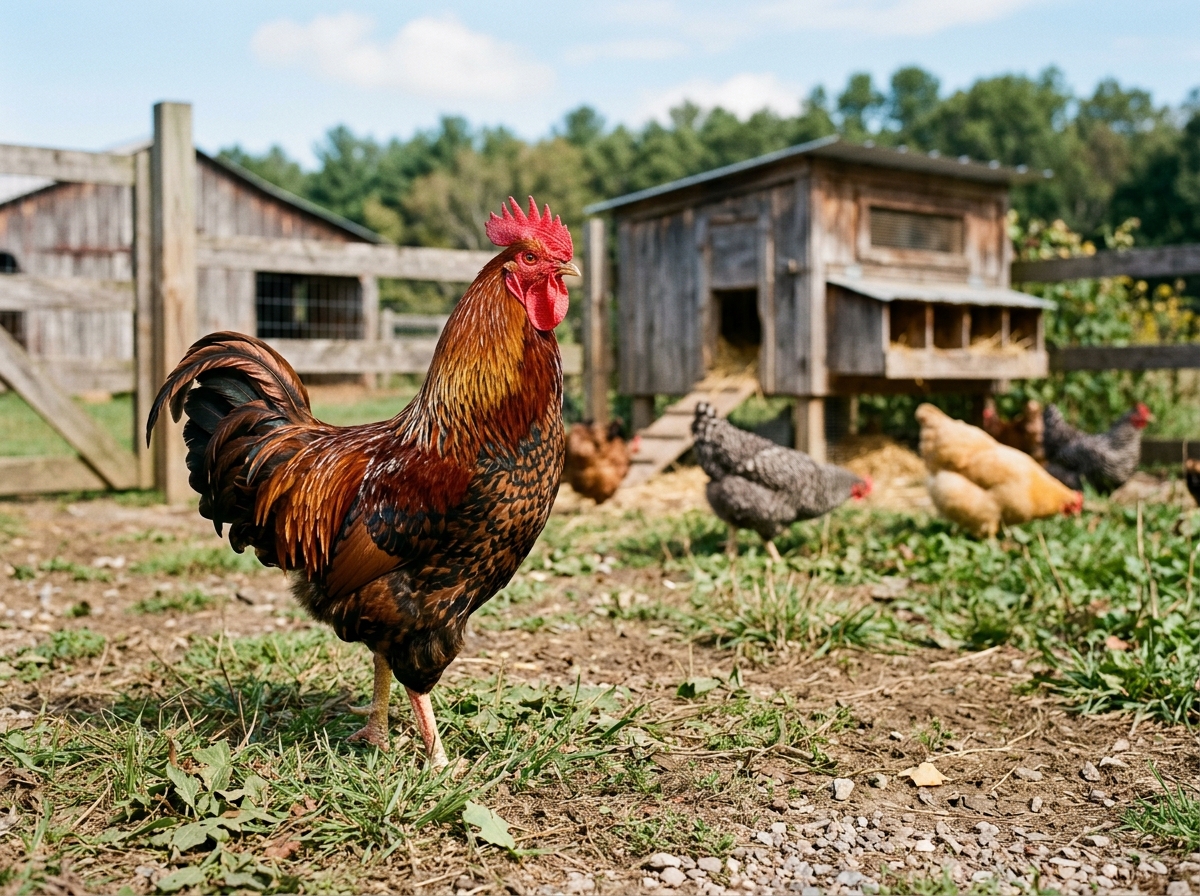
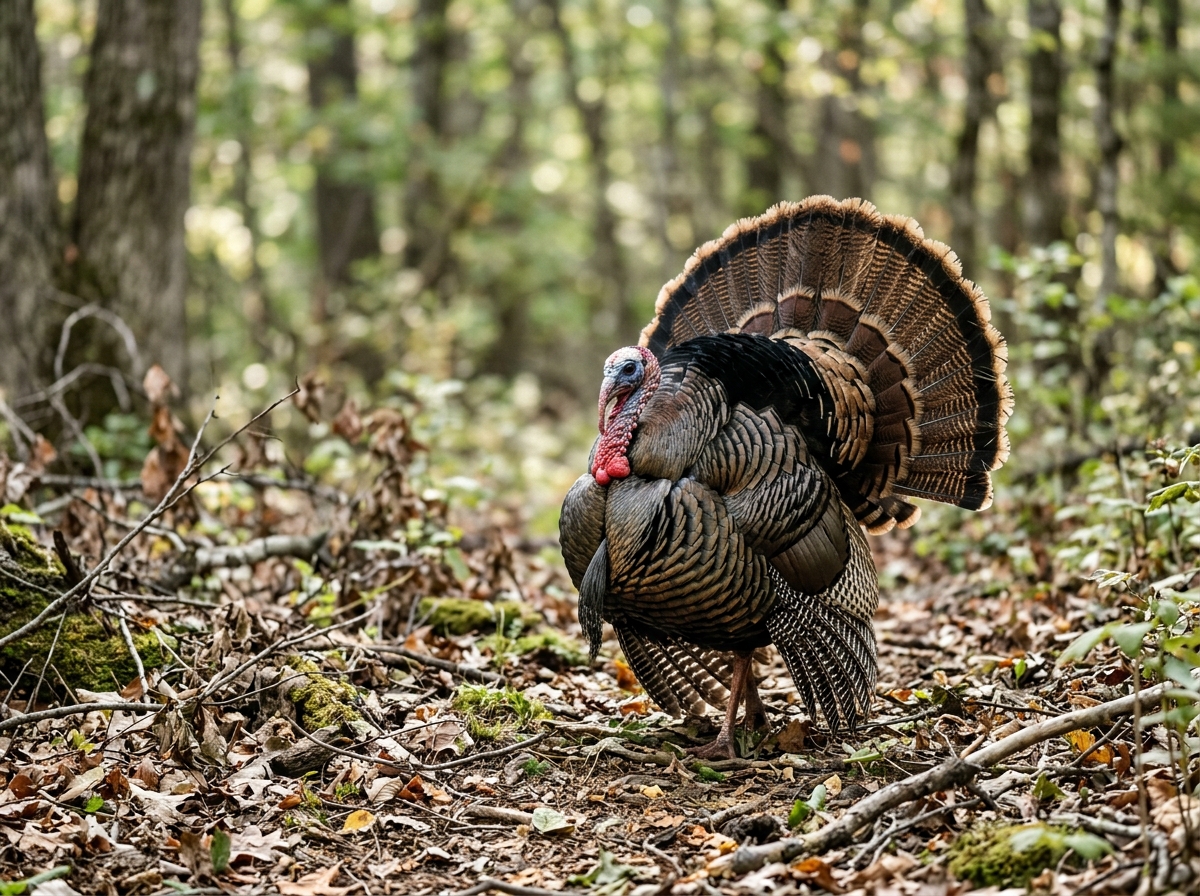
Quick answer: yes, a rooster is absolutely a bird
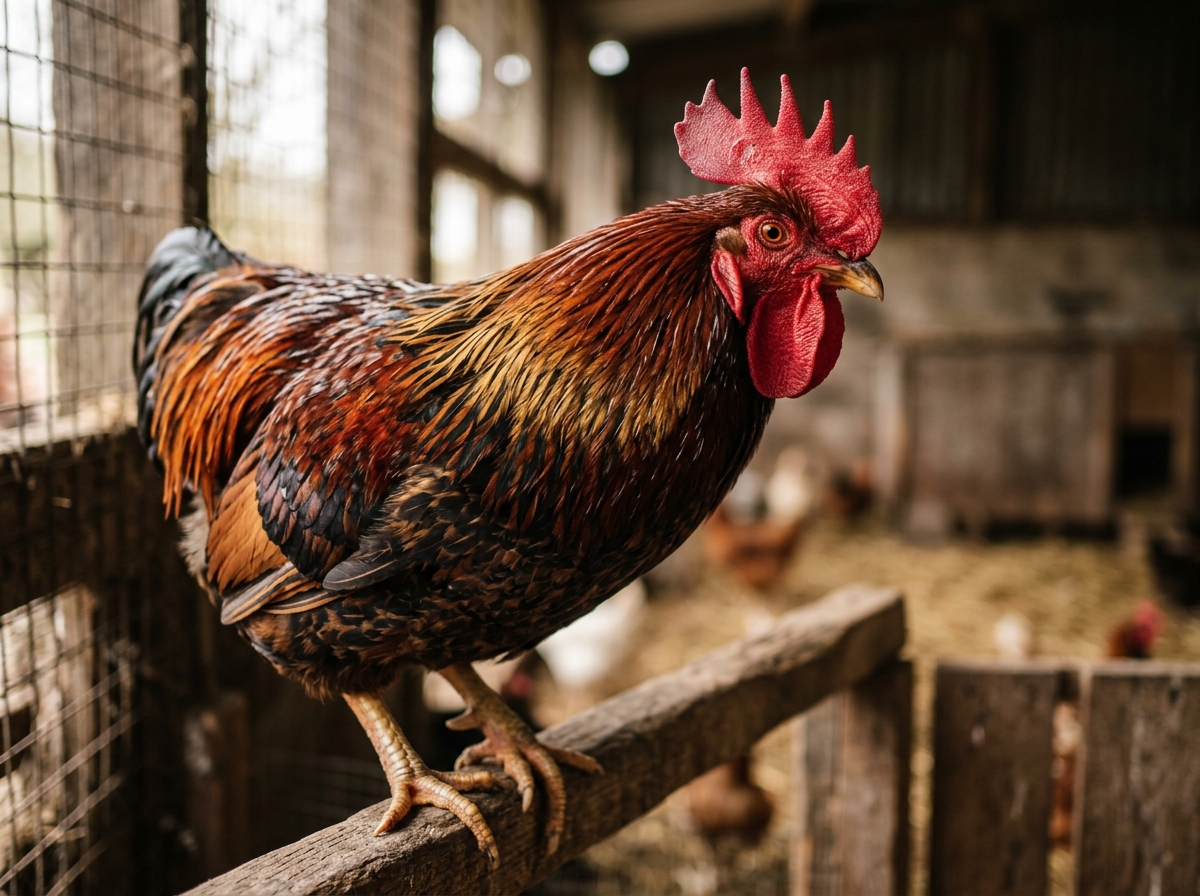
A rooster is a bird. Full stop. A rooster is an adult male chicken, and chickens are classified under class Aves, which is the scientific name for birds. So when you call a rooster a bird, you are 100% correct by every dictionary, biology textbook, and USDA definition in existence. There is no debate here, no edge case, no asterisk.
The confusion usually comes from the way people talk about chickens in everyday life. We say "chicken" when we mean the species, "rooster" when we mean the male, and "hen" when we mean the female. None of those words replace "bird", they just add more specific detail on top of it. A rooster is a bird the same way a stallion is a mammal: the more specific term doesn't cancel out the broader category.
What a rooster actually is
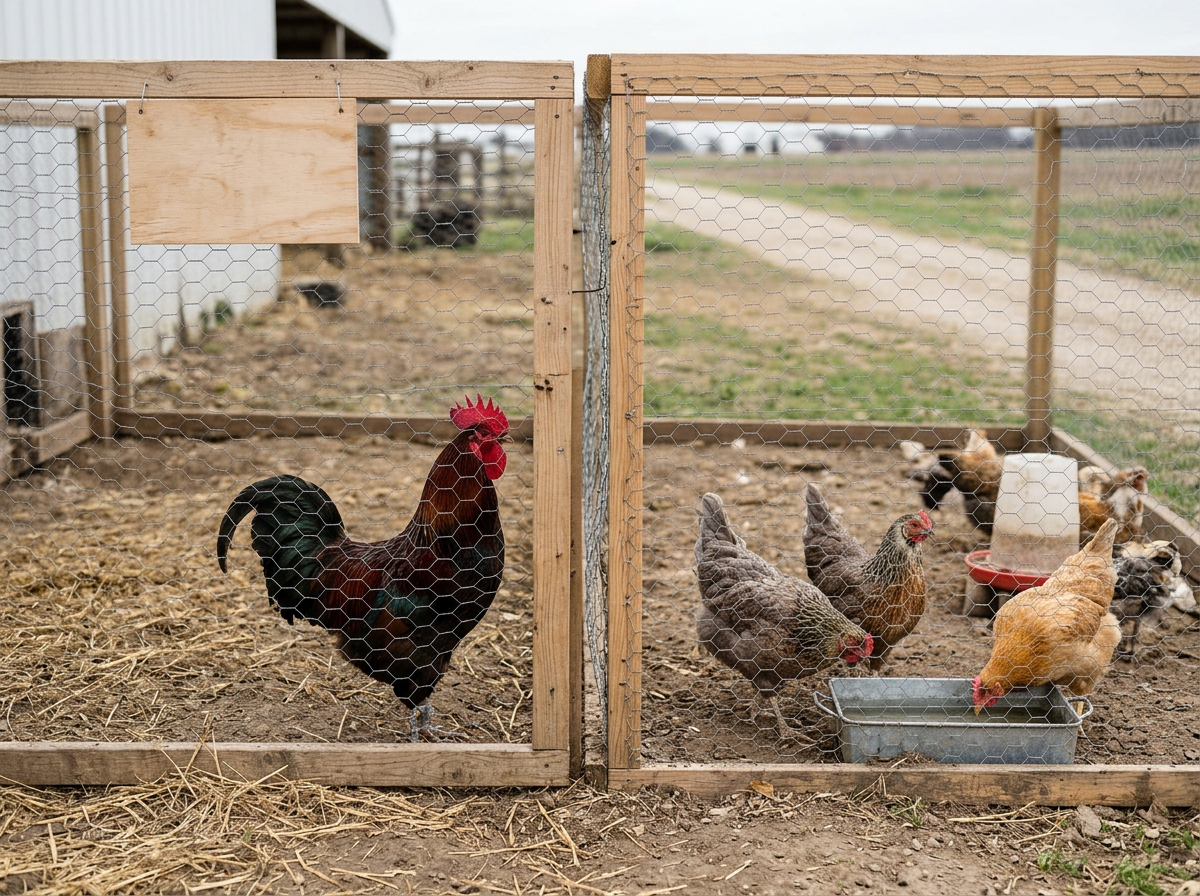
Both Merriam-Webster and the Cambridge Dictionary define "rooster" the same way: an adult male chicken. The USDA Agriculture Marketing Service adds a practical note, describing a rooster as a "male chicken usually kept for breeding." The USDA Food Safety and Inspection Service uses the terms "cock or rooster" interchangeably for a mature male chicken. So across dictionaries, science, and agriculture, the definition is consistent.
The domestic chicken's scientific name is Gallus gallus domesticus, and its biological classification puts it squarely in class Aves. That's the same class that includes every other bird on the planet, from robins to eagles to penguins. A rooster is just a male member of that species. Merriam-Webster defines "hen" as the female counterpart, an adult female chicken, which makes rooster and hen the two sex-specific labels within the same species. Neither one is a separate animal, they're both just chickens, which are birds.
What actually makes something a bird
To understand why a rooster is a bird, it helps to know what biologists actually use to define "bird." Merriam-Webster defines a bird as any member of class Aves: warm-blooded vertebrates with bodies covered in feathers and forelimbs modified as wings. Encyclopaedia Britannica echoes this, describing birds as "warm-blooded, beaked vertebrates of the class Aves." BBC Earth takes it even further with a memorable detail: birds are the only animals on Earth that have feathers. That one trait alone is a decisive identifier.
Here is the checklist biologists use. A rooster meets every single one of these criteria:
- Warm-blooded (endothermic): roosters maintain their own body temperature regardless of their environment
- Vertebrate: they have a backbone
- Feathered: covered in feathers, including those dramatic tail and saddle feathers you see on adult males
- Beaked: roosters have a hard beak, no teeth
- Lays hard-shelled eggs: well, hens do — but roosters are part of the same egg-laying species
- Classified under class Aves: confirmed by scientific taxonomy (Gallus gallus domesticus, Class: Aves)
Warm-blooded is worth a quick explanation because it trips some people up. It means the animal generates and regulates its own body heat internally, the way humans and dogs do, rather than depending on external temperature like a reptile. Birds are warm-blooded by definition, and roosters are no exception.
Common mix-ups and how to avoid them

The biggest source of confusion is that people treat "rooster," "chicken," "fowl," and "bird" as if they are competing labels rather than nested ones. They are not competing, they describe the same animal at different levels of specificity. Think of it like this: a golden retriever is a dog, which is a mammal. You can use all three labels and they're all correct. Same logic applies here.
Rooster vs. chicken vs. fowl vs. bird
| Term | What it means | Is it a bird? |
|---|
| Bird | Any member of class Aves: warm-blooded, feathered, beaked vertebrate | Yes, by definition |
| Fowl | Broadly, birds raised or hunted for food (chickens, ducks, turkeys, pheasants, etc.) | Yes, fowl are birds |
| Chicken | The domestic species Gallus gallus domesticus; includes all sexes and ages | Yes, chickens are birds |
| Hen | An adult female chicken | Yes, a hen is a bird |
| Rooster | An adult male chicken | Yes, a rooster is a bird |
"Fowl" is the term that confuses people most often. Merriam-Webster defines domestic fowl as birds developed from jungle fowl (Gallus gallus), and Wikipedia notes that "fowl" covers domesticated birds like chickens and turkeys, game birds like pheasants, and wildfowl like ducks and geese. Fowl is not a different biological class from birds, it's just a grouping used in agriculture and everyday speech for birds that humans eat or raise. So calling a rooster a "fowl" is also correct, but it still doesn't mean he isn't a bird.
Another mix-up: some people think "chicken" refers only to females or only to the meat on your plate. It doesn't. "Chicken" is the species name. The sex-specific terms are rooster (male) and hen (female). The USDA uses all three terms in its poultry grading and labeling guidelines, treating "cock or rooster" as the adult male form and "hen" as the adult female form, both under the chicken species umbrella. If you're curious about the hen is a bird side of this, the topic of whether a hen is a bird follows the exact same logic.
One more thing worth clearing up: poultry is not a biological classification. It's a management and regulatory category for domesticated birds raised for meat, eggs, or feathers. The USDA Animal and Plant Health Inspection Service defines poultry to include chickens, turkeys, ducks, and geese for regulatory purposes. Calling a rooster "poultry" describes how he's managed, not what species he is or what class he belongs to. He's still a bird.
How to verify this yourself and use the right terms going forward
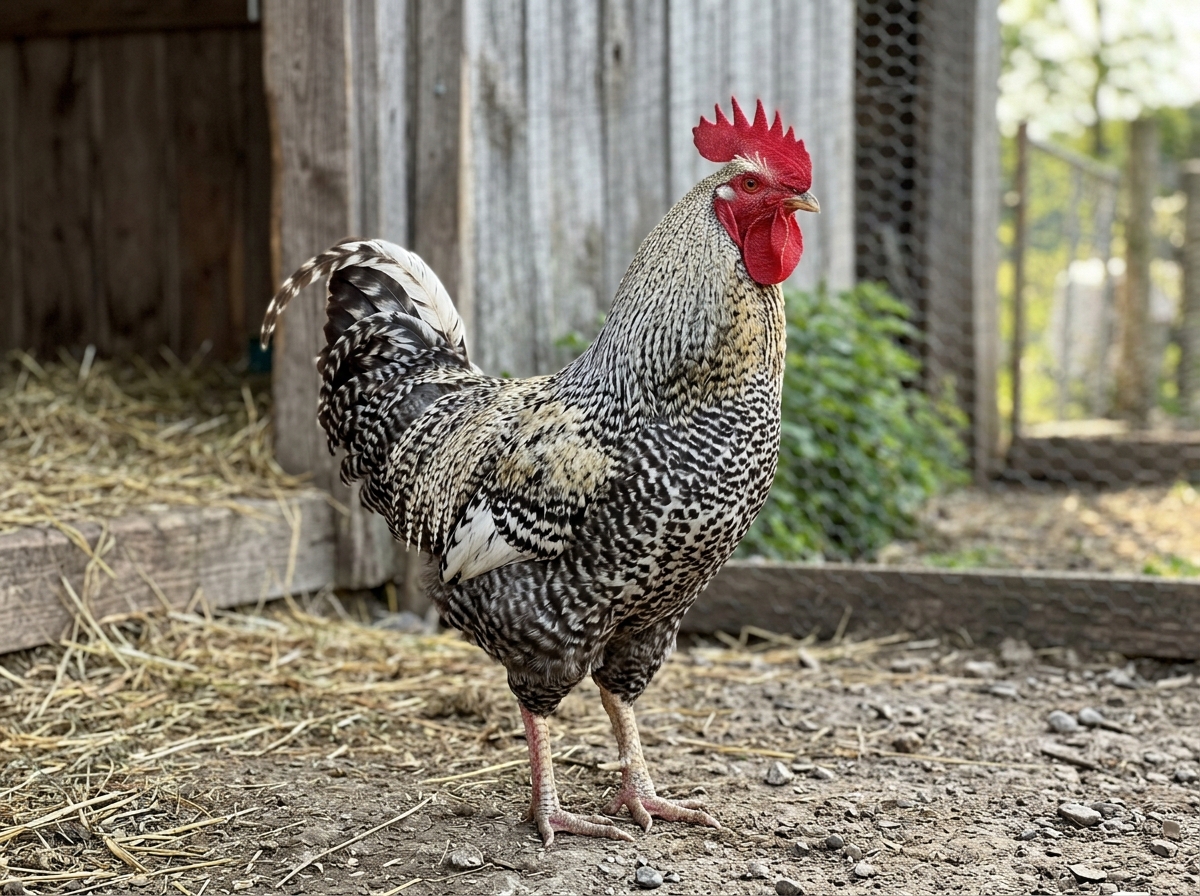
If you ever need to double-check whether something is a bird, run it through the Aves checklist: feathers, beak, warm-blooded, vertebrate, class Aves in its taxonomy. A rooster clears every bar. You can verify this in about 30 seconds using Merriam-Webster (look up "rooster," then look up "bird") or Encyclopaedia Britannica's entry on Aves.
Here is how to use these terms correctly going forward, especially if you're writing, teaching, or just settling a debate:
- Use "rooster" when you specifically mean an adult male chicken — correct and precise
- Use "chicken" when you mean the species in general, regardless of sex or age
- Use "hen" when you mean an adult female chicken (Merriam-Webster: "a female chicken, especially over a year old")
- Use "bird" when you want the broadest biological category — always accurate for a rooster
- Use "fowl" or "poultry" in agricultural or culinary contexts, but understand these are not alternatives to "bird" — they describe the same animals differently
The rooster on your neighbor's fence, the one crowing at 5 a.m., is an adult male chicken, which is a member of class Aves, which makes him a bird. Every authority from Merriam-Webster to the USDA to Encyclopaedia Britannica agrees. You can say "rooster" when you want to be specific and "bird" when you want to be broad, both are correct, and neither one contradicts the other.