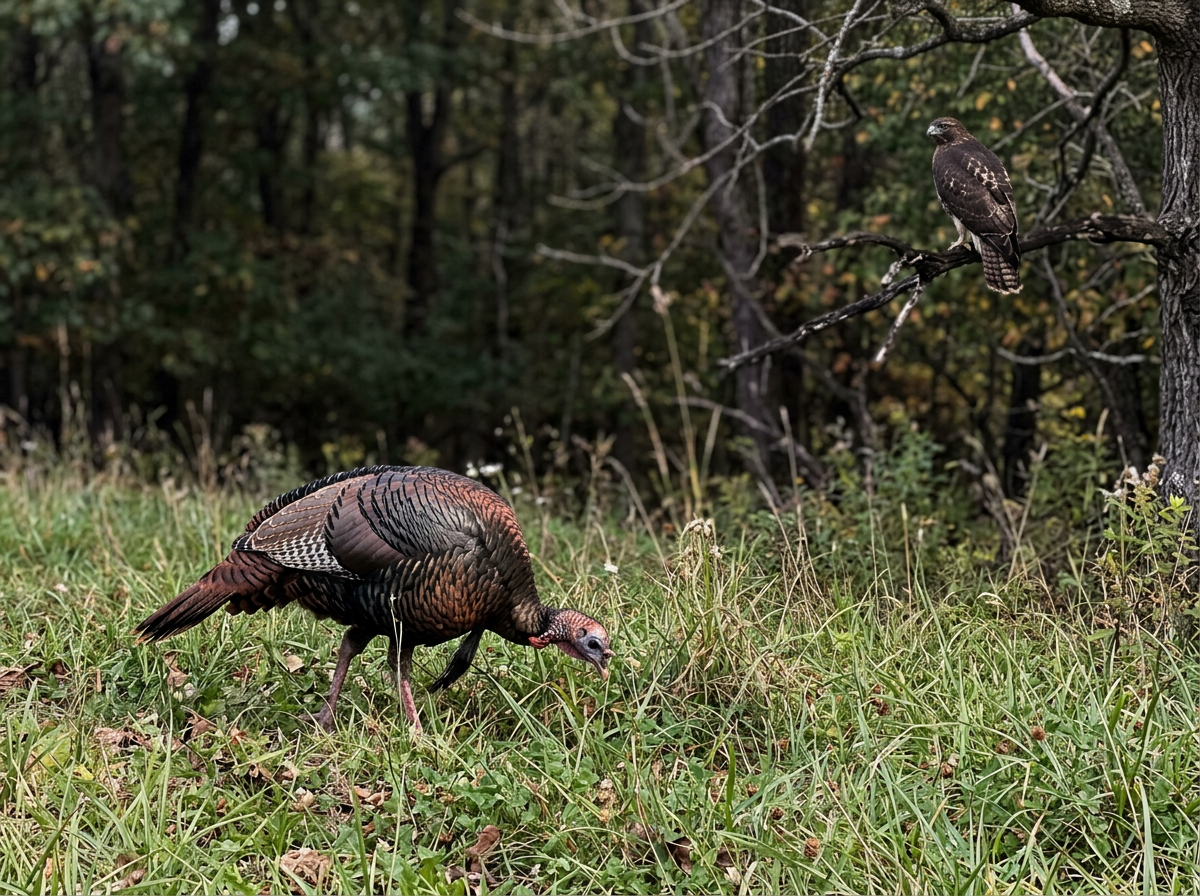
Yes, a turkey is a bird. Full stop. The live animal called a turkey belongs to Class Aves, which is the scientific grouping that contains every bird on the planet. ITIS (the Integrated Taxonomic Information System), the U.S. Fish and Wildlife Service, and Animal Diversity Web all classify the wild turkey (Meleagris gallopavo) under Class: Aves, Order: Galliformes. If someone asks you whether a turkey is a bird or some other kind of animal, the answer is bird, every single time.
Turkey Is a Bird: Quick Answer and How to Confirm

Marcus Hendricks
22 Mar 2026
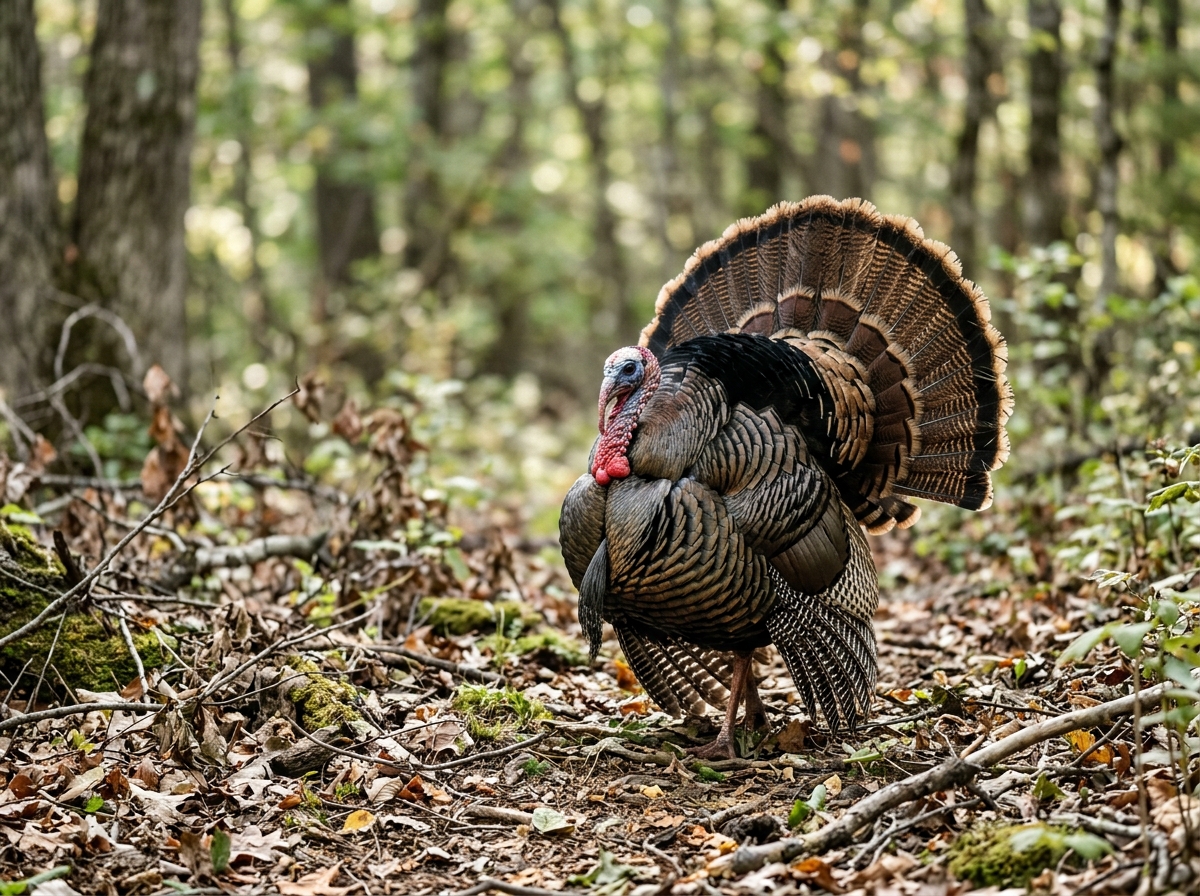
The turkey as an animal
Biologically, turkeys sit in the same order as chickens, quails, and pheasants. That order is Galliformes, which Britannica describes as "chicken-like birds." So if you've ever thought turkeys and chickens seem weirdly similar, that's because they are, at least in the evolutionary sense. Both are birds, both are in Galliformes, but they're different species.
Now, a bird is also an animal, so saying "turkey is a bird or animal" is a bit of a false choice. All birds are animals. A turkey is a bird, and because a bird is a type of animal, a turkey is also an animal. It's just not a mammal, reptile, amphibian, or fish. It's specifically a bird, and that distinction matters when you're filling out a worksheet, settling a dinner table argument, or double-checking something for school.
Why people get confused about this
The confusion almost always comes from one of two places: the word itself, or the plural form.
First, the word. "Turkey" means two different things in everyday English. Merriam-Webster lists it first as a large North American gallinaceous bird (Meleagris gallopavo) and second as the flesh of that bird used as food. So when someone hears the word "turkey," they might immediately picture a Thanksgiving plate rather than a living, breathing animal. That food sense of the word is so dominant in certain contexts that it can genuinely make people second-guess whether turkey refers to a creature at all.
Second, the plural. "Turkey is singular; turkeys is plural," as the University of Kentucky's Animal and Food Sciences resource puts it. When you say "turkey" (uncountable), it sounds a lot like meat, the way you'd say "chicken" to mean chicken breast at the grocery store. But when you say "turkeys" (countable plural), you're almost always talking about the birds running around a field. The singular form is what creates most of the ambiguity, because it can refer to one bird or to the food.
There's also a historical quirk worth knowing. The word "turkey" got applied to the bird through a chain of historical mix-ups involving trade routes and geography, which is part of why the name doesn't obviously signal "bird" the way "eagle" or "robin" does. Once the bird became a Thanksgiving staple, the food association only got stronger, and here we are.
What makes something a bird in the first place

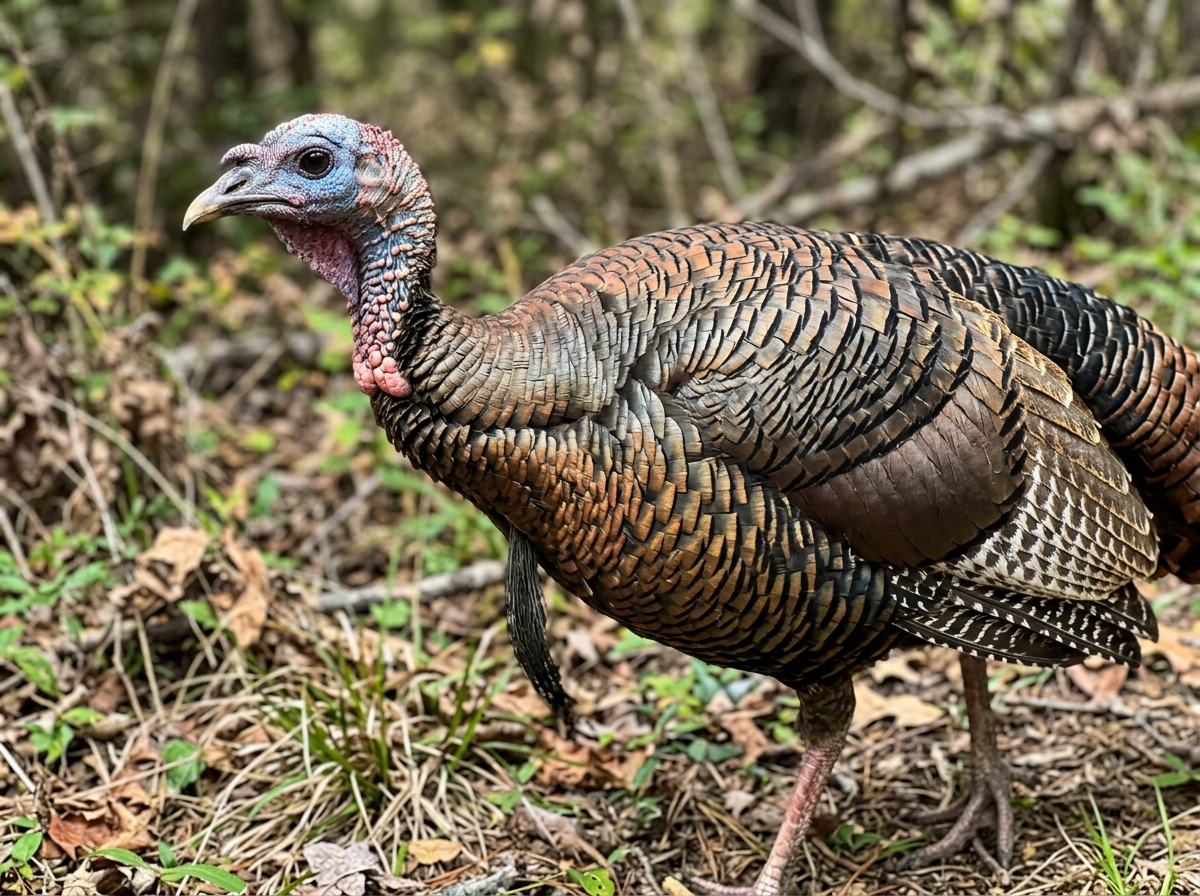
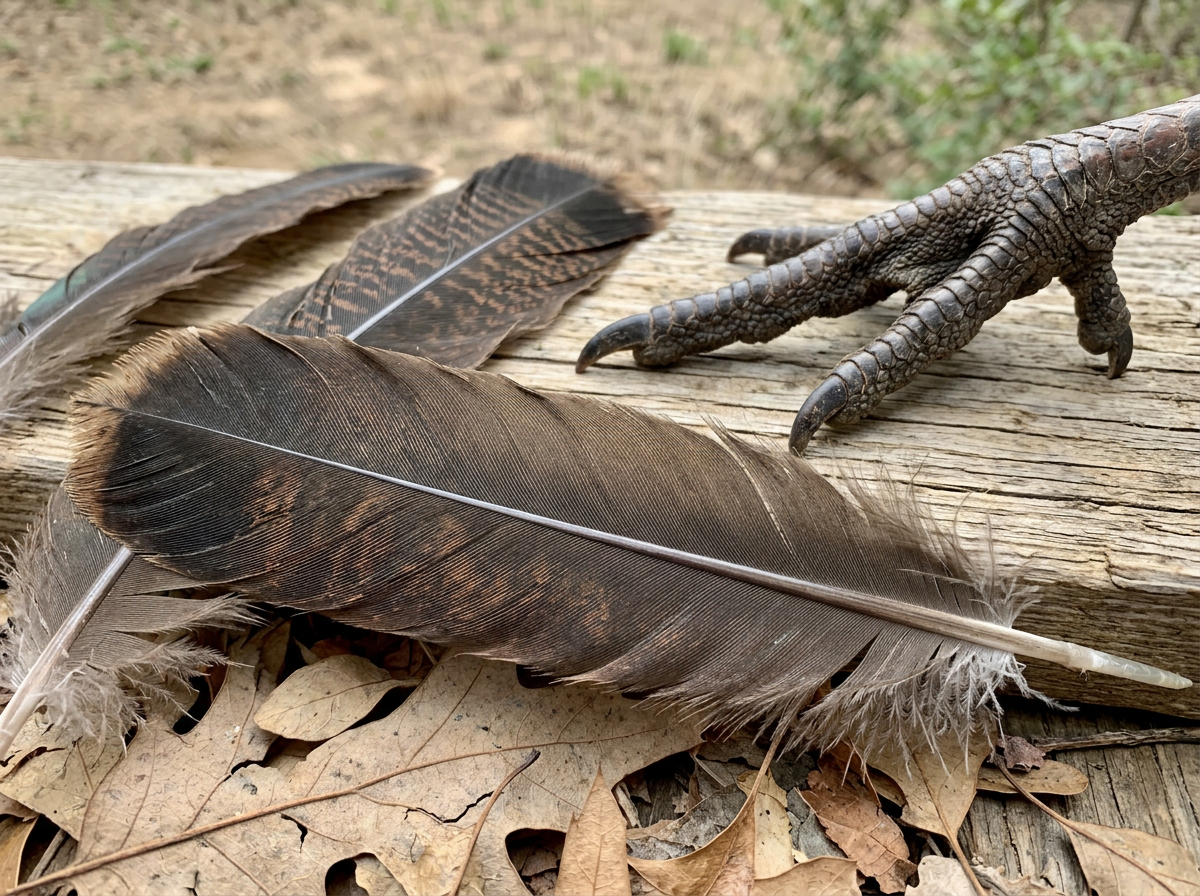
If you want to verify that a turkey qualifies as a bird based on actual traits, not just a database entry, here's what to look for. Encyclopaedia Britannica lists feathers as the major distinguishing feature of birds, the one trait that separates birds from every other group of animals. Turkeys have feathers. National Geographic also emphasizes that birds are vertebrate animals with feathers and wings adapted for flight (or in some cases, modified for other uses).
Cornell Lab of Ornithology's educational materials frame bird identification around three core physical features: feathers, beaks, and wings. Turkeys check all three boxes. They have feathers covering their bodies, a beak instead of teeth, and wings (even if a turkey isn't going to win any distance flying competitions). The National Park Service also points to beak shape, feet, and feathers as the key observable traits when identifying birds in the field. A turkey has all of them.
- Feathers: the single most defining feature of all birds, present on every turkey
- Beak/bill: turkeys have a beak, not a snout or muzzle
- Wings: present as forelimbs, even though turkeys are not strong fliers
- Vertebrate: turkeys have a backbone, like all birds
- Class Aves: the formal taxonomic category that all birds belong to
How to confirm this quickly if you need a reliable source
If you need to verify this for school, work, or your own peace of mind, here are the fastest ways to do it using trusted references.
- Go to the ITIS website (itis.gov) and search for Meleagris gallopavo. The hierarchical report will show you Class: Aves right in the taxonomy. This is one of the most authoritative taxonomic databases in North America.
- Check the U.S. Fish and Wildlife Service taxonomic tree for Meleagris gallopavo. The FWS page lists Class: Aves and Order: Galliformes in a clean, readable format.
- Visit Animal Diversity Web (animaldiversity.org) and search wild turkey. The classification tab clearly shows Aves under the Class field.
- Look up Catalogue of Life (catalogueoflife.org) and use the Find Taxon field to search Meleagris gallopavo. The interactive tree walks you through Kingdom, Class, and Order.
- Check Merriam-Webster's definition of "turkey" if you want a plain-language confirmation: the first definition is "a large North American gallinaceous bird."
The key thing to look for in any of these databases is the Class field showing Aves. That's the definitive confirmation. If you see Class: Aves, you're looking at a bird, no further debate needed.
Turkey vs other birds: a quick comparison
People often want to know how turkeys compare to other birds they're familiar with. Here's how turkeys stack up against a few common examples, all of which are confirmed birds under Class: Aves.
| Animal | Class | Order | Notable trait |
|---|---|---|---|
| Wild turkey (Meleagris gallopavo) | Aves | Galliformes | Large, ground-dwelling, strong runner |
| Chicken (Gallus gallus domesticus) | Aves | Galliformes | Domesticated, same order as turkey |
| Bald eagle (Haliaeetus leucocephalus) | Aves | Accipitriformes | Bird of prey, strong flier |
| Penguin (Spheniscidae family) | Aves | Sphenisciformes | Flightless, aquatic seabird |
| Turkey vulture (Cathartes aura) | Aves | Cathartiformes | Scavenger, often called a raptor |
Notice that the turkey and the chicken are in the same order (Galliformes), which is why Britannica calls Galliformes "chicken-like birds." The turkey vulture, despite sharing the name "turkey," is a completely different bird in a completely different order and is classified as a scavenger or raptor-type bird. If you're curious about the differences between regular turkeys and birds of prey, or about whether a turkey vulture counts as a bird of prey, those are worth exploring separately.
Follow-up questions people usually have
Once people confirm that a turkey is a bird, a few more questions tend to come up. Here's a quick rundown.
Is a turkey a bird of prey?
No. Birds of prey, also called raptors, are predatory birds like eagles, hawks, and falcons. They're defined by hunting other animals using sharp talons and strong beaks. Turkeys don't fit that profile. They're foragers that eat seeds, insects, and berries. Being a bird does not automatically make something a bird of prey.
Is a turkey vulture a bird of prey?
This one gets complicated. Turkey vultures are often grouped with raptors because of their physical build, but they're primarily scavengers rather than active hunters. Britannica covers them as vulture-type birds. They share a name with the turkey but are not related in any meaningful way. This is covered in more detail in a dedicated piece on turkey vultures and birds of prey.
Is a turkey a bird or a chicken?
Both turkeys and chickens are birds, and both are in Order Galliformes, which is probably why this question comes up. But they're different species. A turkey is not a type of chicken, and a chicken is not a type of turkey. They're more like cousins than the same animal.
Are turkeys birds even though they can barely fly?
Yes, absolutely. Flight ability is not the defining requirement for being a bird. Penguins can't fly at all, and they're still birds. What makes something a bird is feathers, a beak, wings (even if modified), and classification under Class: Aves. Turkeys have all of those. Wild turkeys can actually fly short distances and roost in trees, but domesticated turkeys bred for meat production are much heavier and struggle more with flight.
What if I need this for a school assignment?

Use ITIS, Animal Diversity Web, or the U.S. Fish and Wildlife Service taxonomic pages as your sources. These are government and university-backed databases that teachers and professors recognize as reliable. If you need a plain-language dictionary source, Merriam-Webster's entry for "turkey" defines it clearly as a bird. Cite whichever one fits the citation format your class requires.
FAQ
Are turkeys birds even if they cannot fly well, especially domesticated ones?
Yes. Flight is not the requirement for being a bird. What matters is having the core bird traits (feathers, a beak, and wings, even if the wings are adapted for limited flight), plus being classified under Class Aves. Domesticated turkeys tend to be heavier and less capable of sustained flight, but they remain birds.
What should I do if a “turkey” entry in a database lists it as something else, like a mammal or fish?
Treat it as a mismatch and double-check the scientific name. For wild turkey the accepted name is Meleagris gallopavo. If the “Class” field is not Aves, look for a different record (sometimes the listing is for a product name, a different species, or a mis-categorized synonym).
How can I tell whether someone is using “turkey” to mean the animal versus the food?
Check the sentence structure and verbs. If the text uses actions for an animal, like “roost,” “forage,” “breed,” or “wild,” it is referring to the living bird. If it uses food and cooking language, like “roast,” “slice,” or “serving,” it is referring to the meat.
Does “turkey” have a different meaning in other countries, or is it always the same bird species?
In everyday speech, “turkey” usually points to the bird species Meleagris gallopavo, but place names and local usage can be broader or refer to poultry more generally. For school verification, rely on the scientific name or the taxonomy class (Aves) instead of regional slang.
Is a turkey a “chicken-like bird” only because it is related to chickens, or is that about appearance?
It is about evolutionary and taxonomic relationship, not just looks. Both turkeys and chickens fall under the same order (Galliformes), which is why they are described as “chicken-like birds.” Individual appearance can vary a lot by species and domestication.
Are turkey vultures the same kind of bird as turkeys?
No. Turkey vulture is a completely different bird in a different group. The shared word “turkey” is a naming coincidence, not proof of close relation or the same feeding behavior.
If a turkey is a bird, is it automatically classified as a raptor or predator?
No. Being a bird does not determine whether it is a raptor. Turkeys are primarily ground foragers that eat seeds, insects, and berries, so they do not fit the hunting profile of eagles, hawks, and falcons.
What are the fastest observable signs that help confirm a turkey is a bird in the field?
Look for feathers, a beak (not teeth), and wings. Feet and beak shape can also help, but if you can confirm feathers plus a beak and wings, that is enough to support “bird” for a turkey in typical identification settings.
For a worksheet, should I write “turkey is a bird” or “turkey is an animal”?
Write the more specific statement if allowed. “Turkey is a bird” is precise because all birds are animals, but “animal” is broader and can sound like an answer people might accept even if the classification were wrong. If the worksheet asks for hierarchy, include the Class Aves detail.
Is “turkey” countable (one turkey, two turkeys) in science writing?
In general English, yes, you can count the birds (one turkey, two turkeys). In many contexts, “turkey” as a food is treated like an uncountable noun (for example, “eating turkey”). For biology or taxonomy assignments, you should use the countable form when referring to individual birds.
Next Article
Is a Turkey a Bird of Prey? Clear Checklist and Facts
Does a turkey count as a bird of prey? Facts and checklist to spot raptors vs turkeys, diet, and behavior differences.