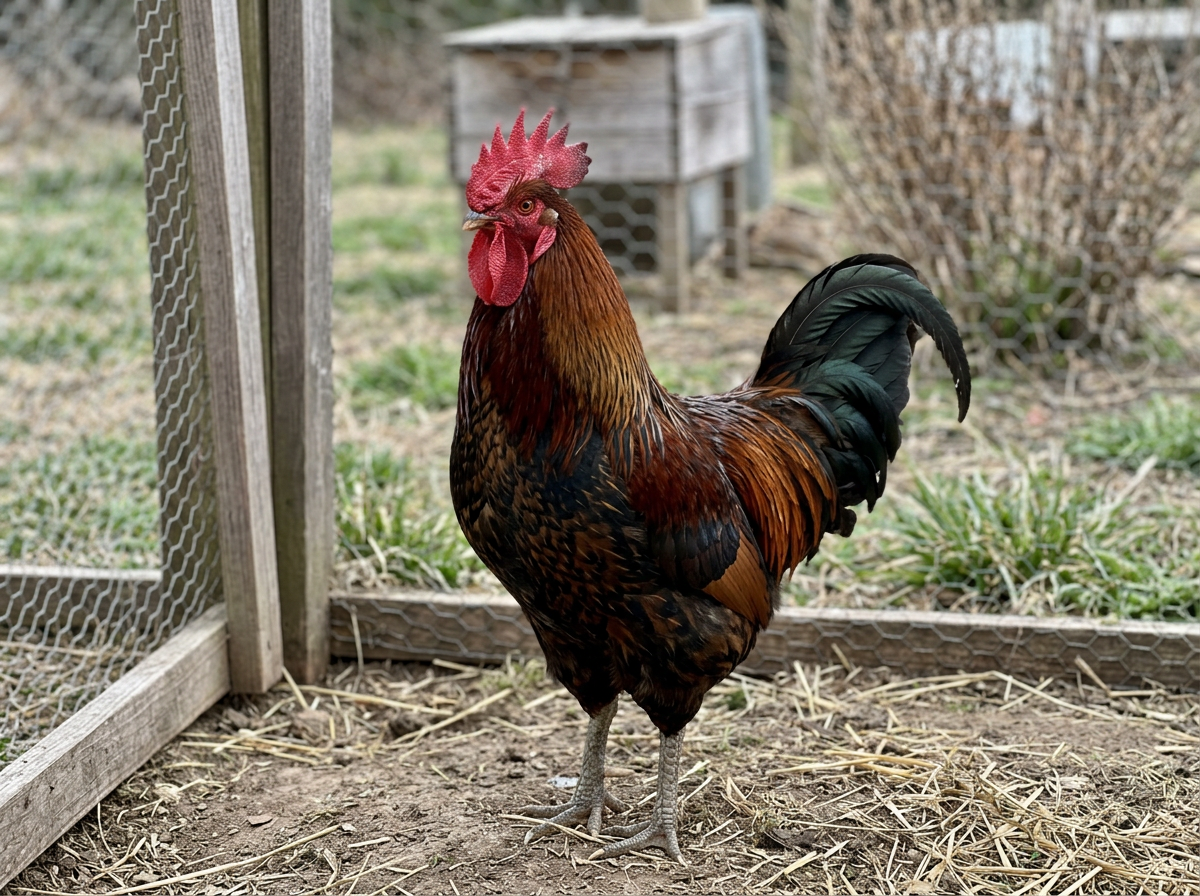
Yes, a cock is a bird. Specifically, it is the adult male of the domestic chicken, which is exactly the same thing as a rooster. So if someone uses the word 'cock' in a farming, food, or wildlife context, they are almost certainly talking about a bird. That said, the word carries other meanings in everyday English, and the confusion is completely understandable. Let's sort it all out.
Is Cock a Bird? What Cock Means in Everyday English

Marcus Hendricks
22 Mar 2026
Quick answer: what 'cock' usually means
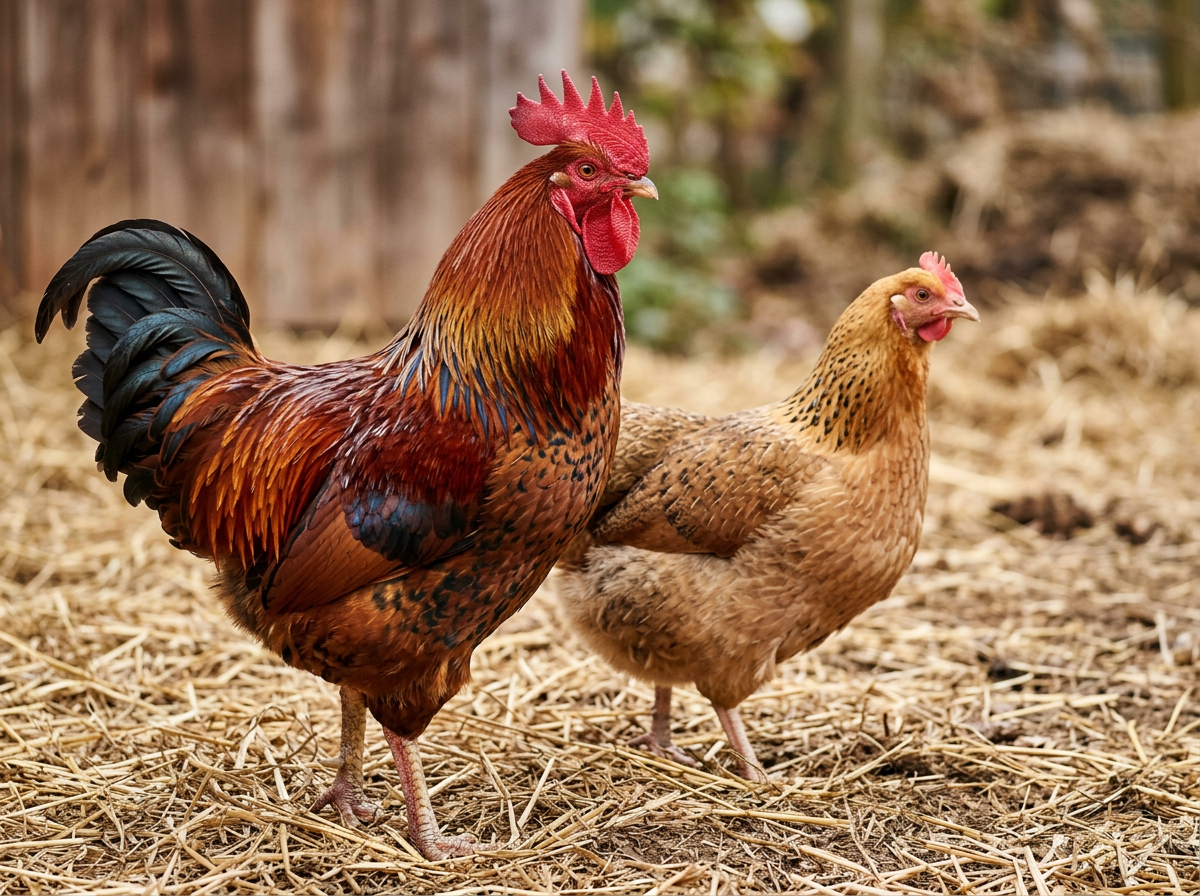
In standard everyday English, 'cock' most commonly refers to an adult male chicken. Merriam-Webster's primary definition is simply 'the adult male of the domestic chicken (Gallus gallus): rooster.' Cambridge Dictionary agrees, defining it as 'a rooster (an adult male chicken).' That is the first, most widely recognized, and most historically established meaning of the word. If you saw it on a farm sign, a recipe, or a wildlife chart, that is the meaning at work.
The word has been used this way in English for centuries. It is not obscure or technical. It just shares the dictionary with other, more eyebrow-raising definitions, which is where the confusion tends to start.
Cock as a rooster and why it is definitely a bird

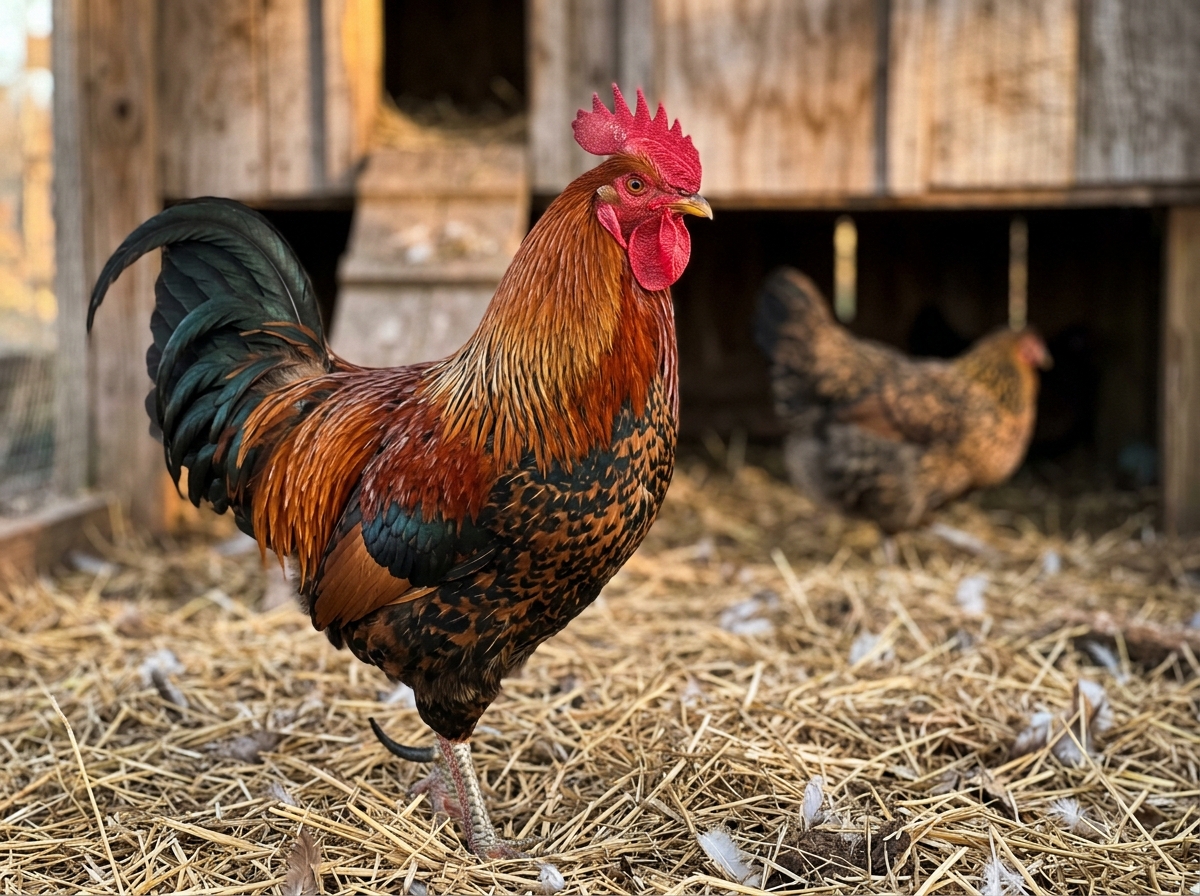
Chickens (Gallus gallus domesticus) are classified as birds, full stop. They belong to the class Aves, they have feathers, beaks, wings, and they lay eggs. A cock, being an adult male chicken, shares every one of those traits. He is the big, loud, colorful one strutting around the yard that wakes the neighborhood up at sunrise.
The term 'hen' works the same way in reverse: it typically means a female chicken but can describe females of other bird species too. If you have been reading about hens and chickens in general, the related question of whether a hen is a bird follows the same logic.
The phrase 'cock of the walk' is a good real-world example of this avian meaning locked into common speech. It refers to the dominant rooster in a flock, the one who owns the yard. When people use it figuratively to describe a confident or domineering person, the bird origin is baked right in.
Other meanings of 'cock' and why it gets confusing
Here is where it gets messy. Both Merriam-Webster and Cambridge Dictionary explicitly list a second, vulgar definition: 'cock' is a slang term for penis. Merriam-Webster flags it as 'usually vulgar.' Cambridge calls it 'a rude word.' Neither dictionary is coy about it.
This is why the word can catch people off guard, especially in print or in a sentence without context. Reading 'cock' in a recipe for coq au vin (a classic French dish literally meaning 'rooster in wine') is a totally different experience from encountering it in casual slang. The word's dual life in the language is not new either. It has carried both meanings for a long time, which is part of why American English shifted heavily toward 'rooster' in everyday farm and food talk, to sidestep the awkwardness.
In British English, 'cock' also functions as an informal term of address, roughly equivalent to 'mate' or 'pal,' as in 'alright, cock?' That is a third meaning entirely, and it has nothing to do with birds or anatomy. So the same word can mean a male chicken, a vulgar body part, or a friendly greeting depending on who is speaking and where.
How to tell which meaning applies in a sentence
Context does almost all of the work here. A few reliable signals can help you land on the right meaning almost instantly.
| Context clue | Likely meaning of 'cock' |
|---|---|
| Paired with 'hen,' 'chicken,' 'rooster,' or 'fowl' | Adult male chicken (a bird) |
| Appears in a farm, food, or wildlife setting | Adult male chicken (a bird) |
| Paired with another bird species (e.g., 'cock pheasant') | Male of that bird species (still a bird) |
| Appears in crude humor, slang, or explicit content | Vulgar slang for penis |
| Used as a greeting in informal British speech | Casual term of address, no animal meaning |
If the word appears alongside other poultry terms or in a naturalist, agricultural, or culinary context, you are almost certainly looking at the bird definition. If it appears in a joke with no other animal references or in explicitly adult content, the other definition is likely at play. The surrounding words rarely leave you genuinely uncertain once you slow down and look at them.
P|P|The same approach works when you are curious about related terms. 'Rooster' is the clean, unambiguous American English word for the exact same bird, which is worth knowing. Questions like whether a rooster is a bird or whether a hen is a bird follow the same reasoning: all of these are domestic chickens, all of them are birds, and the vocabulary just reflects sex and regional language preference.
Check context and definitions fast
If you are trying to resolve this quickly for something you are reading or writing, here is the fastest path through it.
- Look at the words around it. If you see hen, chicken, fowl, or any other bird name nearby, the bird definition applies.
- Check the setting. A recipe, a farm article, a wildlife guide, or a historical text is almost always using 'cock' to mean rooster.
- If still unsure, look it up on Merriam-Webster or Cambridge Dictionary. Both list the definitions in order of primary use, with the rooster definition first and the vulgar sense flagged clearly as secondary.
- If you are writing and want to avoid ambiguity entirely, swap in 'rooster.' It means the same thing, carries zero double meanings in modern American English, and nobody will misread it.
- If you are dealing with British English and the term seems friendly rather than rude or bird-related, you are likely looking at the informal address meaning, which is harmless and common in that dialect.
The bottom line is that 'cock' is absolutely a word for a bird, specifically a male chicken, and that is its oldest and most formally recognized definition. The slang use is real and widely known, but it is listed second in the major dictionaries for a reason. When in doubt, context clears it up in seconds. And if you want to keep things simple, 'rooster' is always waiting there as an unambiguous substitute.
FAQ
If someone says “cock” in a wildlife documentary, should I assume they mean a chicken?
Usually, yes. In wildlife and natural-history contexts, “cock” is commonly used for an adult male of a domestic chicken or, sometimes, the adult male of other birds when “rooster” or the species name is not used. If the surrounding text names chickens, farming, or eggs, it is almost certainly the chicken meaning.
Is “cock” ever used to mean an adult male of birds in general, not just chickens?
In specialized contexts, it can. Older or formal writing sometimes uses “cock” as a general term for an adult male bird (for example, in certain bird-name patterns). However, in everyday English, the default meaning is the adult male chicken, so you should only generalize when the species is clearly discussed.
Is “cock” the same as “rooster,” in both American and British English?
They overlap heavily, but they are not identical in use. “Rooster” is the clean, standard choice in American English for the adult male chicken. In British English, “cock” is also used for a rooster, and it also has additional non-bird meanings, so context matters more than it does with “rooster.”
What’s the safest word to use if I’m writing and want to avoid the slang meaning?
Use “rooster” (or “adult male chicken”). If you must use “cock” for style, choose a sentence where the bird context is explicit (mentioning the yard, eggs, poultry, or a breed) to prevent readers from reading it as slang.
Why do some dictionaries list a vulgar meaning first or more prominently?
Dictionaries typically list the bird meaning as the primary, established definition, then place the vulgar meaning alongside it (often labeled as usually vulgar or rude). The frequency in modern conversation can shift presentation, but the official priority remains the bird usage in most major references.
If I see “cock” in an old text or historical writing, how should I interpret it?
Assume the bird meaning first unless the passage clearly signals adult slang (for example, themes of sexual content, crude jokes, or explicit wording). Older agricultural writing and recipes are especially likely to use “cock” for rooster.
Can “cock” show up in recipes without meaning something vulgar?
Yes. Certain culinary terms and dish names can include “cock” as “rooster,” and the bird context in the rest of the recipe (like chicken, poultry, or French dish naming conventions) is a strong clue. If you are reading a modern recipe, “rooster” is the safer interpretation, but dish names can still preserve older wording.
What does “cock of the walk” mean, and is it always related to birds?
It is figurative, but it comes from the bird idea of a dominant rooster. In use, it describes someone who acts confident, top-dog, or in control. The phrase is generally not an anatomical reference, because the meaning is conventionalized as social dominance.
If someone addresses me as “cock” in British English, is it always a bird reference?
No. As an informal term of address in British English, it can mean something like “mate” or “pal.” It still may sound rude or overly familiar depending on tone, region, and relationship, so consider how the person is speaking and whether it fits the social context.
How can I quickly disambiguate “cock” when it appears alone in a sentence?
Look for nearby markers. If the sentence mentions poultry, farms, eggs, feathers, or specific chicken-related actions, it almost certainly means rooster. If the sentence is sexually themed, joke-like, or otherwise adult, it is likely slang. When the sentence is ambiguous, replacing it mentally with “rooster” is a good first check for compatibility.
Next Article
Is a French Hen a Bird? Literal and Everyday Meaning
Explains whether a French hen is a bird, covering everyday chicken meaning and how to verify poultry in context.